

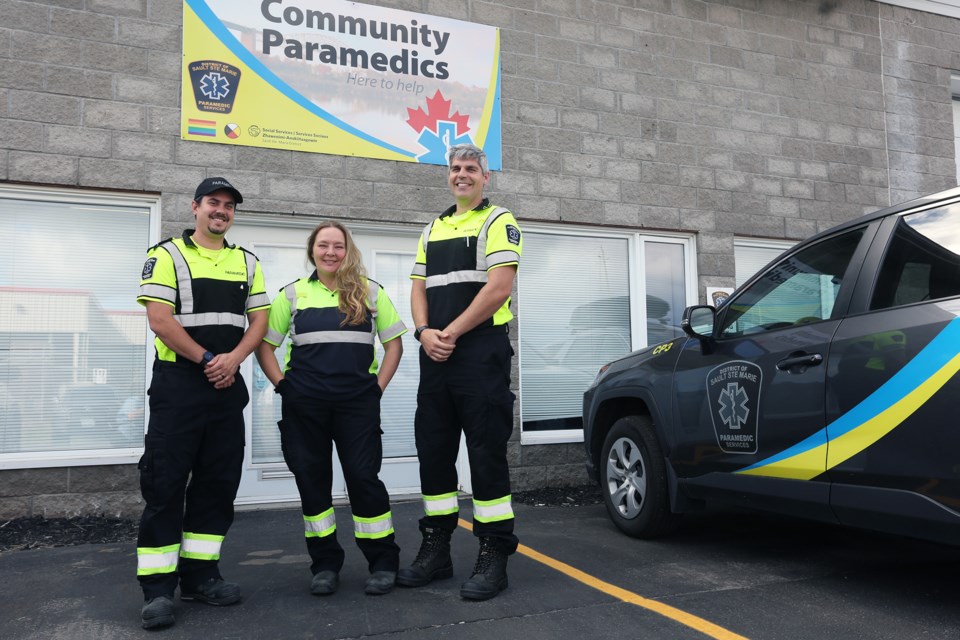
The Community Paramedicine program introduced as a pilot project in the Sault in 2022 will become permanent after a provincial announcement made Tuesday.
The program brings preventative care to older adults living in seniors' housing, retirement homes or their own homes by having fully trained paramedics come to them.
Chief Katie Kirkham of the Sault Ste. Marie Paramedic Services said the program has been a great success in the Sault since it was introduced in the city almost exactly three years ago.
"Just knowing that it is here to stay helps us to project planning a little further ahead than what we were doing, which is excellent," Kirkham said in a telephone interview on Wednesday.
During the provincial announcement on Tuesday, Natalia Kusendova-Bashta, Ontario's long-term care minister, said the Community Paramedicine for Long-Term Care program has served more than 81,000 people since launching as a pilot project in 2020 and expanding across the province in 2022.
The program sees community paramedics treat seniors who are waiting for long-term care in their homes for non-emergency issues such as help with chronic disease management.
The government says community paramedics typically provide care within hours or days, which helps prevent emergency incidents and eases pressures on hospitals.
Ontario is putting $89 million toward the program, which includes expanding services offered in First Nations communities.
The Ontario Association of Paramedic Chiefs says the pilot project "has demonstrated the unique role paramedics play in our health-care system outside of 911 response, by enabling seniors to age at home and reduce emergency room visits."
Kirkham said the program in the Sault launched in 2022 with site visits to long-term care homes, but has since expanded to offering in-home care and will soon expand with a mobile clinic van for street outreach.
The van will be outfitted for Community Paramedicine use this fall and will be put to work on the street when finished. In the meantime, Community Paramedics are receiving additional training, including in advanced wound care, said Kirkham.
"We see patients that don't necessarily want to go to the hospital but need further treatment than what the emergency paramedics can offer at the time," she said.
— with files from The Canadian Press